
 Facebook
 X
X
 Pinterest
 Copy Link
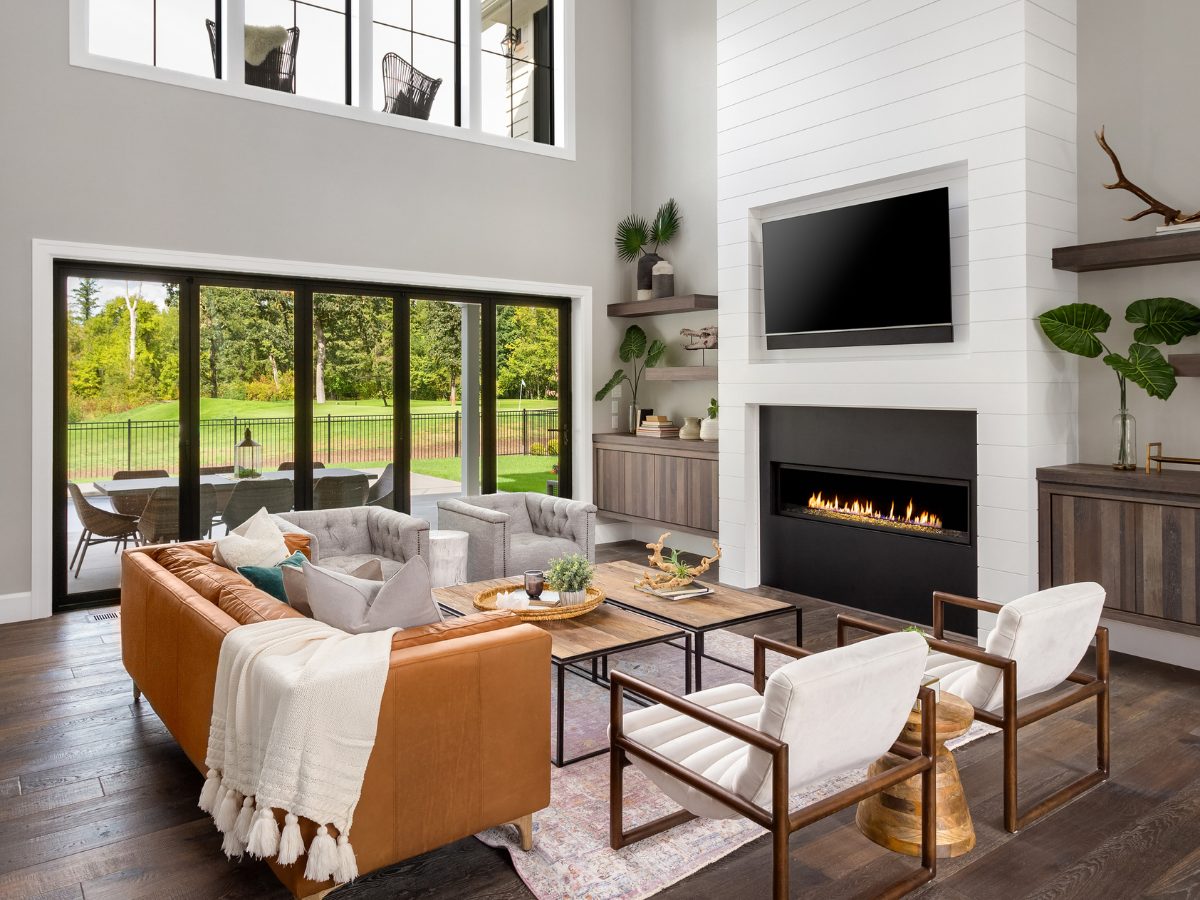
Staging a home does not have to mean renting an entire house full of furniture or spending thousands of dollars before listing.
In many cases, the most effective changes begin with what you already own.
My assistant and I have completed walk-throughs with past clients to help them look at their homes through a buyer’s eyes. Together, we identify what should stay, what may need to be removed, and how existing furniture and decor can be rearranged to make each space feel more open, intentional, and inviting.
My assistant is also a certified home stager, which adds another layer of knowledge to the preparation and marketing process.
Start With Editing, Not Shopping
One of the biggest staging mistakes is assuming you need to purchase more decor.
Usually, the first step is removing or relocating items.
Too much furniture can make a room feel smaller. Crowded countertops can distract from the kitchen. Personal collections and excess decor can make it harder for buyers to focus on the home itself.
Before buying anything new, consider:
- Removing extra furniture
- Clearing countertops and surfaces
- Packing away highly personal items
- Simplifying shelves and wall decor
- Rearranging furniture to improve movement
- Moving pieces from one room to another
Sometimes a chair from the bedroom works better in the living room. A console table may become an entryway feature. Lamps, pillows, artwork, and bedding can often be reused in entirely different ways.
Focus on the Rooms Buyers Notice Most
When the budget is limited, every room does not need the same amount of attention.
Start with the areas that usually make the strongest first impression:
- The front entry
- The living room
- The kitchen
- The primary bedroom
- The main bathroom
A clean, well-organized space with good lighting often makes a greater impact than expensive new decor.
Fresh towels, neutral bedding, clean windows, working light bulbs, and a thoughtfully arranged room can go a long way.
Small Updates Can Make a Big Difference
There are times when a few inexpensive purchases are worthwhile.
A seller may benefit from replacing worn shower curtains, adding simple throw pillows, updating cabinet hardware, or using a fresh coat of paint in an area that needs attention.
The goal is not to make the home look like someone else lives there.
The goal is to present the property in a way that helps buyers clearly see its space, condition, and potential.
Staging Is Part of the Marketing Strategy
Staging is not about hiding defects or creating an unrealistic version of the home.
It is about reducing visual distractions and helping the property photograph and show at its best.
That is why I prefer to discuss staging before the listing photos are scheduled. The earlier we walk through the home, the more time the seller has to make thoughtful changes without feeling rushed.
Every home and budget is different. Some properties need only a few adjustments, while others may benefit from professional cleaning, repairs, painting, or additional staging services.
There is no single formula—but there should always be a plan.
You May Already Own What You Need
Preparing your home for the market does not automatically require a large staging budget.
Sometimes the most valuable resource is a fresh set of eyes.
By walking through the home together, my assistant and I can help sellers prioritize their time, use what they already own, and focus their budget where it may have the greatest visual impact.
Thoughtful staging cannot guarantee a particular sale price or timeline, but it can help a home make a stronger first impression—and in real estate, that first impression matters.
This article is provided for general educational purposes. Staging recommendations vary by property, condition, budget, and market circumstances and do not guarantee a sale, specific price, or particular result.
